The Ultimate Guide To A Durable Finish
 Avery Gonzales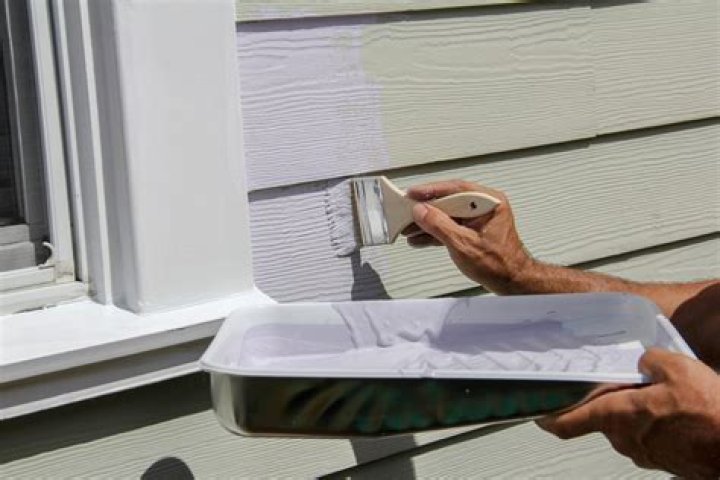
Painting aluminum involves a specific set of steps to ensure proper adhesion and a durable finish. Aluminum is a non-ferrous metal that forms a protective oxide layer, making it challenging to paint. However, with the right preparation and materials, it is possible to achieve a successful paint job on aluminum surfaces.
Painting aluminum offers several benefits. It enhances the appearance of the surface, providing a decorative or protective coating. Paint can protect aluminum from corrosion, wear, and weathering, extending its lifespan. Additionally, painting aluminum can improve its resistance to chemicals, solvents, and extreme temperatures.
To effectively paint aluminum, it is crucial to follow these steps:
1. Surface Preparation: Clean the aluminum surface thoroughly to remove dirt, grease, and any contaminants. Sanding or using a chemical cleaner may be necessary to create a smooth and receptive surface for the paint.
2. Primer Application: Apply a specialized primer designed for aluminum surfaces. Primer promotes better paint adhesion and helps protect the metal from corrosion.
3. Paint Selection: Choose a paint specifically formulated for aluminum, such as epoxy or polyurethane-based paints. These paints provide excellent adhesion, durability, and resistance to chemicals and wear.
4. Painting Technique: Apply thin, even coats of paint using a brush, roller, or spray gun. Allow each coat to dry completely before applying the next.
5. Clear Coat (Optional): For added protection and durability, apply a clear coat over the painted surface. This will further enhance the resistance to scratches, UV rays, and weathering.
How Do You Paint Aluminum
Painting aluminum involves careful preparation, material selection, and technique to achieve optimal results. Here are ten key aspects to consider:
- Surface preparation: Cleaning and sanding ensure a smooth, receptive surface for paint.
- Primer application: Specialized primers promote paint adhesion and protect against corrosion.
- Paint selection: Epoxy or polyurethane-based paints provide excellent adhesion and durability.
- Application technique: Thin, even coats applied with a brush, roller, or spray gun.
- Drying time: Allowing each coat to dry completely before applying the next.
- Clear coat: Optional protective layer for added resistance to scratches and UV rays.
- Safety precautions: Proper ventilation and protective gear are essential during painting.
- Adhesion testing: A scratch test can assess the paint's adherence to the aluminum surface.
- Durability: Quality materials and proper technique ensure a long-lasting paint finish.
- Aesthetics: Paint color and finish can enhance the appearance and style of the aluminum surface.
These key aspects collectively contribute to a successful painting project on aluminum. Proper surface preparation ensures a strong bond between the paint and the metal, while selecting the right paint and applying it correctly guarantees durability and protection. Attention to detail and following these guidelines will result in a high-quality, aesthetically pleasing painted aluminum surface.
Surface preparation
Surface preparation is a critical step in the painting process, especially for aluminum surfaces. Aluminum forms a protective oxide layer that can interfere with paint adhesion. Cleaning and sanding remove dirt, grease, and contaminants, creating a smooth and receptive surface for the paint to adhere to.
Without proper surface preparation, the paint may not adhere properly, leading to peeling, flaking, or premature failure. Sanding also helps create a mechanical bond between the paint and the aluminum, further enhancing adhesion. A smooth surface ensures even paint application and a uniform finish.
In practical terms, cleaning and sanding aluminum surfaces before painting can extend the lifespan of the paint job, improve the appearance of the finished product, and reduce the risk of costly repairs or repainting. It is an essential step that should not be overlooked.
Primer application
In the context of painting aluminum, primer application plays a crucial role in ensuring the success and durability of the paint job. Specialized primers are formulated to enhance the adhesion between the paint and the aluminum surface, creating a strong bond that prevents peeling, flaking, or premature failure.
Without proper priming, the paint may not adhere properly to the aluminum's oxide layer, leading to poor coverage, uneven finish, and reduced lifespan. Primer also provides a protective layer against corrosion, which is particularly important for aluminum as it is susceptible to oxidation. By sealing the surface and preventing moisture and oxygen from reaching the aluminum, primer safeguards the metal from degradation and extends the lifespan of the painted surface.
In practical terms, using a specialized primer when painting aluminum provides several benefits: improved paint adhesion, enhanced durability, corrosion protection, and a more uniform and aesthetically pleasing finish. It is an essential step in the painting process that should not be overlooked, as it contributes significantly to the overall quality and longevity of the paint job.
Paint selection
In the context of painting aluminum, selecting the right paint is crucial for achieving a durable and successful finish. Epoxy or polyurethane-based paints are highly recommended for aluminum surfaces due to their exceptional adhesion and durability properties.
Epoxy-based paints form strong chemical bonds with aluminum, creating a tenacious and long-lasting bond. They are resistant to chipping, peeling, and wear, making them ideal for high-traffic areas or surfaces exposed to harsh conditions. Polyurethane-based paints, on the other hand, offer excellent flexibility and abrasion resistance, making them suitable for surfaces that experience movement or impact.
Using epoxy or polyurethane-based paints for aluminum surfaces provides several practical benefits: enhanced adhesion, increased durability, resistance to wear and tear, and a longer lifespan for the paint job. These paints help protect the aluminum from corrosion, moisture, and UV rays, ensuring the painted surface retains its integrity and appearance over time.
Selecting the appropriate paint for aluminum surfaces is a critical component of the painting process. By choosing epoxy or polyurethane-based paints, painters can ensure a strong bond between the paint and the aluminum, leading to a durable, long-lasting, and aesthetically pleasing finish.
Application technique
In the context of painting aluminum, proper application technique is paramount to achieving a smooth, durable, and aesthetically pleasing finish. Applying thin, even coats of paint using a brush, roller, or spray gun is a critical aspect of the painting process, directly influencing the overall quality and longevity of the paint job.
When painting aluminum, using a brush, roller, or spray gun allows for precise application and controlled film thickness. Thin coats ensure proper drying and adhesion, preventing runs, drips, and uneven surfaces. Multiple thin coats also help build up the paint's strength and durability, providing better protection against wear, tear, and environmental factors.
The choice of application tool depends on the size and shape of the aluminum surface being painted. Brushes are suitable for smaller areas or intricate details, while rollers are more efficient for larger, flat surfaces. Spray guns provide a uniform and consistent finish, making them ideal for complex geometries or hard-to-reach areas.
Understanding the importance of proper application technique empowers individuals to achieve successful painting results on aluminum surfaces. By following the recommended approach, painters can avoid common pitfalls, such as thick, uneven coats, which can lead to cracking, peeling, or premature failure. Proper application technique contributes significantly to the overall quality, durability, and aesthetic appeal of the painted aluminum surface.
Drying time
In the context of painting aluminum, drying time plays a crucial role in achieving a durable, high-quality finish. Allowing each coat of paint to dry completely before applying the next is essential for several reasons.
Firstly, proper drying time ensures proper adhesion between the layers of paint. When a new coat is applied before the previous coat has fully dried, the solvents in the new coat can dissolve the underlying coat, weakening the bond between them. This can lead to peeling, chipping, or flaking of the paint over time.
Secondly, adequate drying time allows the solvents in the paint to evaporate, resulting in a harder, more durable finish. Applying a new coat over a wet or tacky surface can trap solvents, creating a soft, easily damaged paint film. Proper drying time ensures that the paint cures properly, forming a strong, protective barrier against wear and tear.
In practical terms, observing proper drying time between coats when painting aluminum surfaces leads to several benefits. It enhances the durability of the paint job, preventing premature failure or the need for costly repairs. A properly dried paint finish provides better protection against scratches, dents, and other forms of damage. Additionally, allowing each coat to dry completely eliminates the risk of runs, drips, or uneven surfaces, resulting in a smooth, professional-looking finish.
Understanding the importance of drying time and incorporating it into the painting process empowers individuals to achieve successful painting results on aluminum surfaces. By adhering to the recommended drying times, painters can ensure a strong, durable, and aesthetically pleasing finish that will stand the test of time.
Clear coat
In the context of painting aluminum, applying a clear coat over the painted surface provides an additional layer of protection and durability. This optional step enhances the overall quality and longevity of the paint job, particularly in demanding environments or for surfaces exposed to harsh conditions.
Clear coats act as a barrier against scratches, dents, and abrasions, preserving the integrity of the underlying paint finish. They also offer enhanced resistance to UV rays, preventing fading, discoloration, and degradation of the paint over time. This is especially important for aluminum surfaces exposed to direct sunlight or outdoor elements.
In practical terms, using a clear coat when painting aluminum provides several benefits. It extends the lifespan of the paint job, reducing the need for frequent repainting or touch-ups. Clear coats also maintain the appearance of the painted surface, preventing dullness or chalking caused by UV exposure. Additionally, they provide a glossy or matte finish, depending on the type of clear coat used, enhancing the aesthetic appeal of the painted aluminum.
Understanding the protective benefits of clear coats empowers individuals to make informed decisions when painting aluminum surfaces. By incorporating clear coats into the painting process, painters can create durable, long-lasting finishes that withstand wear and tear, UV damage, and maintain their appearance over time.
Safety precautions
When painting aluminum, safety precautions are paramount to ensure a healthy and successful painting experience. Proper ventilation and protective gear minimize exposure to harmful substances and mitigate potential risks associated with painting activities.
- Health hazards
Painting aluminum involves the use of solvents, thinners, and other chemicals that release toxic fumes. Proper ventilation, such as opening windows or using fans, helps disperse these fumes and prevent inhalation. Additionally, wearing a respirator can further reduce exposure to harmful vapors.
- Fire prevention
Many paint materials are flammable. Proper ventilation helps dissipate flammable vapors, reducing the risk of ignition. Additionally, keeping a fire extinguisher nearby and avoiding smoking or open flames in the work area is crucial for fire prevention.
- Skin and eye protection
Direct contact with paint and solvents can cause skin irritation or chemical burns. Wearing gloves, long sleeves, and protective eyewear shields the skin and eyes from harmful substances. Proper ventilation also helps prevent paint overspray from reaching exposed skin or eyes.
- Long-term health effects
Chronic exposure to paint fumes without proper ventilation can lead to long-term health consequences. Solvents and chemicals in paint can irritate the respiratory system, cause headaches, and even damage the nervous system. By following safety precautions and using proper ventilation, painters can minimize these risks.
Incorporating safety precautions into the painting process is crucial for protecting health and ensuring a safe work environment. By understanding the potential hazards and implementing proper ventilation and protective gear, individuals can paint aluminum surfaces confidently and effectively.
Adhesion testing
Adhesion testing is a crucial step in evaluating the success of the painting process on aluminum surfaces. It determines how well the paint adheres to the aluminum, directly impacting the durability and longevity of the paint job.
- Scratch test method
A simple and effective adhesion test involves using a sharp object, such as a razor blade or a sharp scribe, to scratch the painted surface. If the paint peels off or flakes away easily, it indicates poor adhesion. Conversely, if the paint remains intact and resists scratching, it demonstrates strong adhesion.
- Importance of adhesion testing
Adhesion testing is important because it helps identify potential problems early on. Poor adhesion can lead to premature paint failure, peeling, and corrosion, resulting in costly repairs or repainting. Conducting adhesion tests during the painting process allows for corrective measures to be taken, such as adjusting the surface preparation, primer selection, or paint application technique, to ensure optimal adhesion.
- Factors influencing adhesion
Various factors can influence the adhesion of paint to aluminum, including surface preparation, primer compatibility, paint quality, and application technique. Proper surface preparation, such as cleaning and sanding the aluminum surface, creates a clean and receptive surface for the paint to adhere to. Using a compatible primer promotes better bonding between the aluminum and the paint. Choosing high-quality paint and applying it correctly according to the manufacturer's instructions further enhances adhesion.
- Implications for painting aluminum
Adhesion testing provides valuable insights into the effectiveness of the painting process on aluminum surfaces. It helps ensure that the paint adheres properly, preventing premature failure, maintaining the integrity of the painted surface, and extending its lifespan.
In summary, adhesion testing is an essential component of painting aluminum surfaces. By assessing the paint's adherence through a scratch test, potential problems can be identified early on, allowing for corrective actions to be taken. Proper adhesion ensures a durable and long-lasting paint finish, protecting the aluminum surface from corrosion and enhancing its appearance.
Durability
In the context of "How Do You Paint Aluminum," durability plays a crucial role in maintaining the integrity and aesthetics of painted aluminum surfaces. The use of quality materials and proper painting techniques directly influences the longevity of the paint finish, ensuring it withstands various environmental factors and wear and tear.
- Surface preparation
Proper surface preparation, including cleaning, sanding, and priming, creates a sound foundation for the paint to adhere to. A well-prepared surface promotes strong bonding and prevents premature peeling or flaking.
- Primer selection
Choosing the right primer is essential for enhancing paint adhesion and protecting the aluminum surface from corrosion. Specialized primers designed for aluminum surfaces provide a compatible layer that improves the paint's grip and durability.
- Paint quality
Investing in high-quality paint specifically formulated for aluminum ensures its resistance to UV rays, moisture, and abrasion. Quality paints offer superior adhesion, flexibility, and color retention, contributing to a long-lasting finish.
- Application technique
Proper application of paint using appropriate tools and techniques is crucial. Applying thin, even coats and allowing ample drying time between coats ensures a uniform finish that resists chipping, cracking, and peeling.
By understanding and implementing these components of durability, individuals can achieve long-lasting paint finishes on aluminum surfaces. Quality materials and proper techniques work synergistically to protect and beautify aluminum, extending its lifespan and maintaining its aesthetic appeal.
Aesthetics
In the context of "How Do You Paint Aluminum," aesthetics play a significant role in determining the final appearance and style of the painted surface. The choice of paint color and finish can transform the look of aluminum, enhancing its visual appeal and complementing the surrounding dcor.
Color selection is a crucial aspect of aesthetics. Different colors evoke different emotions and can create various ambiances. For instance, bright, vibrant colors can energize a space, while softer, muted tones can create a calming atmosphere. By considering the intended use of the aluminum surface and its surroundings, painters can select colors that align with the desired aesthetic effect.
The choice of paint finish also contributes to the aesthetics of the painted aluminum surface. Glossy finishes reflect light, creating a shiny, mirror-like appearance. This finish is ideal for modern or contemporary settings and can make small spaces appear larger. Matte finishes, on the other hand, absorb light, resulting in a flat, non-reflective surface. Matte finishes are often preferred for industrial or rustic settings and can help conceal surface imperfections.
The combination of color and finish allows for endless possibilities in terms of aesthetics. By understanding the impact of these elements, individuals can create customized painted aluminum surfaces that align with their personal style and enhance the overall design of their space.
FAQs about Painting Aluminum
This section addresses frequently asked questions and misconceptions regarding the process of painting aluminum. It aims to provide clear and informative answers, empowering individuals to approach aluminum painting with confidence.
Question 1: Is it necessary to prime aluminum before painting?
Answer: Yes, priming aluminum before painting is highly recommended. Primer promotes better paint adhesion, prevents corrosion, and enhances the overall durability of the paint finish.
Question 2: What type of paint is best for aluminum?
Answer: Epoxy or polyurethane-based paints are ideal for aluminum surfaces due to their excellent adhesion, durability, and resistance to wear and tear.
Question 3: How long should I wait between coats of paint?
Answer: Allow each coat of paint to dry completely before applying the next. Drying time varies depending on the paint and environmental conditions, but generally several hours to overnight is sufficient.
Question 4: Is it possible to paint aluminum without sanding?
Answer: While sanding is not strictly necessary, it is highly recommended. Sanding creates a smooth, receptive surface that promotes better paint adhesion and a more durable finish.
Question 5: How do I protect the painted aluminum surface from scratches?
Answer: Applying a clear coat over the painted surface provides an additional layer of protection against scratches and UV rays, enhancing the durability and longevity of the finish.
Question 6: What safety precautions should I take when painting aluminum?
Answer: Proper ventilation and protective gear are crucial. Wear a respirator to avoid inhaling harmful fumes, and ensure adequate ventilation to prevent the accumulation of flammable vapors.
Summary of key takeaways or final thought:
Painting aluminum requires proper surface preparation, primer application, and the use of appropriate paint and techniques. By following these guidelines and addressing common concerns, individuals can achieve professional-looking, durable, and aesthetically pleasing painted aluminum surfaces.
Transition to the next article section:
For further insights and tips on painting aluminum, explore the additional sections of this comprehensive guide.
Tips for Painting Aluminum
Painting aluminum requires attention to detail and proper technique to achieve a durable, high-quality finish. Here are some essential tips to guide you through the process:
Tip 1: Surface Preparation
Thoroughly clean the aluminum surface to remove dirt, grease, and any contaminants. Sanding or using a chemical cleaner can help create a smooth and receptive surface for the paint to adhere to.
Tip 2: Primer Application
Apply a specialized primer designed for aluminum surfaces. Primer promotes better paint adhesion and helps protect the metal from corrosion.
Tip 3: Paint Selection
Choose a paint specifically formulated for aluminum, such as epoxy or polyurethane-based paints. These paints provide excellent adhesion, durability, and resistance to chemicals and wear.
Tip 4: Application Technique
Apply thin, even coats of paint using a brush, roller, or spray gun. Allow each coat to dry completely before applying the next.
Tip 5: Drying Time
Allow ample drying time between coats to ensure proper adhesion and a durable finish. Follow the manufacturer's recommended drying times.
Tip 6: Clear Coat
For added protection and durability, apply a clear coat over the painted surface. This will further enhance the resistance to scratches, UV rays, and weathering.
Tip 7: Safety Precautions
Proper ventilation and protective gear are essential during painting. Wear a respirator to avoid inhaling harmful fumes, and ensure adequate ventilation to prevent the accumulation of flammable vapors.
Tip 8: Adhesion Testing
Conduct an adhesion test by lightly scratching the painted surface. If the paint peels or flakes off easily, it indicates poor adhesion, and corrective measures may be necessary.
Summary of key takeaways or benefits:
By following these tips, you can achieve a high-quality, durable paint finish on aluminum surfaces that will enhance their appearance and longevity.
Transition to the article's conclusion:
Remember, proper preparation, material selection, and technique are crucial for successful painting on aluminum. By implementing these tips, you can confidently tackle your aluminum painting project and achieve a professional-looking, long-lasting finish.
Conclusion
Painting aluminum requires specific techniques and materials to achieve a durable and visually appealing finish. This comprehensive guide has explored the various aspects of "How Do You Paint Aluminum," providing detailed insights into surface preparation, primer application, paint selection, application techniques, and safety precautions. By understanding and implementing these guidelines, individuals can successfully paint aluminum surfaces, enhancing their appearance, protecting them from corrosion, and extending their lifespan.
Remember, proper preparation and attention to detail are key to achieving professional-looking results. Whether you're a seasoned painter or tackling your first aluminum painting project, this guide serves as a valuable resource to empower you with the knowledge and expertise to achieve a high-quality, long-lasting finish.
Uncover The Untold Story Of Adam Unger: Discoveries And Insights Await
Uncover The Mind Of A Defensive Genius: Exploring The Strategies Of Sean Desai
Sofia Vardy: Uncovering The Fascinating Journey Of A Rising Star